
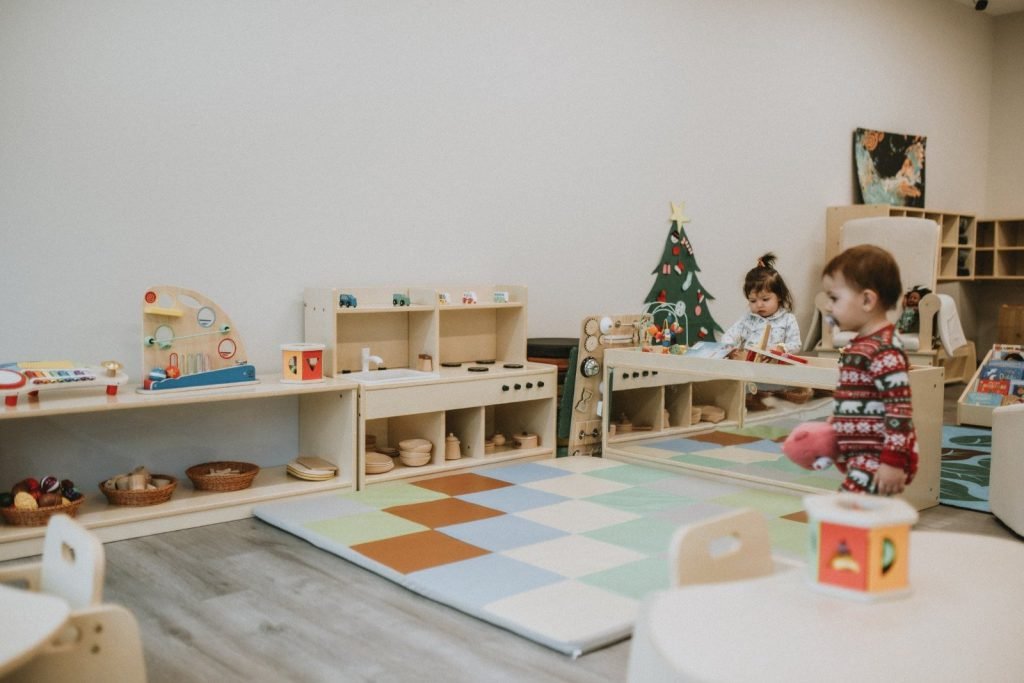
As the Founder and Director of Connections Early Learning & Childcare Centre, I have one goal: to help every child reach their fullest potential.
Every decision we make is guided by one simple question:
“What will best set this child up for lifelong success?”
Recently, I learned something that truly disheartened me. It completely changed the way I think about kindergarten readiness, and I knew I had to share it with other families.
I wish someone had shared this information with me years ago.
My hope is that by sharing this story, even one family will have the information they need to make the best decision for their child.
Did You Know Kindergarten Is Optional in Alberta?
Many parents are surprised to learn that kindergarten is not mandatory in Alberta.
If your child is eligible for kindergarten, you are not legally required to enroll them that year. Depending on their age, developmental stage, and individual needs, remaining in a high-quality early learning program for another year may actually be the better option.
For many children, either choice may be appropriate.
But for children with speech delays, developmental concerns, suspected autism, ADHD, social-emotional challenges, or other exceptional needs, this decision can have a profound impact on the supports available to them during the most important years of brain development.
The Conversation That Changed My Perspective
Recently, one of the children in our program received an autism diagnosis.
She is an incredible little girl who is bright, loving, funny, and full of potential. She also has significant speech delays and would greatly benefit from additional early intervention before entering Grade 1.
Her birthday is in December, which meant she was eligible to begin kindergarten when she was only four years old. Like many families, her parents enrolled her in kindergarten, and just a few months later she celebrated her fifth birthday.
Now, despite still being only five years old, she is expected to begin Grade 1 this fall.
When her family received her autism diagnosis, we met together to discuss what would be best for her moving forward.
Because she is still only five, I suggested that she spend another year with us at Connections instead of moving directly into Grade 1. I truly believed this would give her the opportunity to continue learning in a nurturing early learning environment while receiving specialized early intervention services that could strengthen her communication, confidence, emotional regulation, and overall school readiness.
Her family agreed.
Everyone wanted what was best for her.
Then I learned something I had never known before.
Because she had already attended kindergarten and was already registered within the school system, we couldn’t simply “go back.”
Although she is still only five years old, the pathway to accessing specialized early intervention supports through a licensed childcare setting was no longer available in the same way.
My heart sank.
Not because anyone had made the wrong decision.
Not because anyone had done anything wrong.
But because I realized that many families may never be told this information before enrolling their child in kindergarten.
If I, as someone who has dedicated my career to early childhood education, didn’t know this, how could I possibly expect parents to know?
That is exactly why I’m writing this blog.
This Isn’t About Intelligence. It’s About Readiness.
I want to make something very clear.
This isn’t about whether a child is “smart enough” for kindergarten.
It’s about whether they are developmentally ready.
Those are two very different things.
Some children are academically capable but still need support with communication.
Some need more time to build confidence.
Others need help learning to regulate emotions, develop friendships, or strengthen executive functioning skills.
And some children simply need more time.
Giving a child another year to develop these foundational skills is not “holding them back.”
Sometimes it’s one of the greatest gifts we can give them.
Why Early Intervention Matters
The first six years of life are when the brain develops more rapidly than at any other time.
During these years, children build the foundation for:
- Language and communication
- Emotional regulation
- Social skills
- Confidence
- Independence
- Executive functioning
- Motor development
- Problem-solving
- Learning
Research consistently shows that children who receive early intervention have significantly better long-term outcomes.
Early intervention doesn’t just help children today.
It can positively influence their education, relationships, independence, mental health, and overall quality of life for years to come.
The earlier we intervene, the greater the opportunity for success.
The Incredible Supports Many Families Don’t Know About
One of the biggest surprises for me was learning how many incredible government-funded services may be available to eligible children while they are attending a licensed early learning program.
Depending on a child’s needs and eligibility, families may be able to access professionals such as:
- Speech-Language Pathologists
- Occupational Therapists
- Physical Therapists
- Behaviour Specialists
- Early Childhood Consultants
- Play-based therapeutic supports
At Connections, we work closely with organizations like GRIT (Getting Ready for Inclusion Today) to help families connect with these services whenever their child is eligible.
What makes these supports so powerful is that they happen within the child’s natural learning environment.
Therapists collaborate with educators, model strategies, coach families, and help children build skills during everyday routines and play—not just during isolated therapy sessions.
That consistency can make an extraordinary difference.
Kindergarten Is Only Half a Day
There is another consideration that many working families face.
Most kindergarten programs operate for only a portion of the day.
For parents working full-time, this can create a significant challenge.
How do you pick your child up after only a few hours and continue working?
At Connections, we help bridge that gap.
Our centre is open from 7:00 a.m. until 5:30 p.m., allowing children to participate in kindergarten while continuing their day in a nurturing, play-based early learning environment.
Children continue building confidence, independence, practical life skills, friendships, emotional regulation, and school readiness long after the kindergarten day ends.
For children who are not yet attending kindergarten, we also offer a rich preschool program designed specifically to prepare them for a successful transition into elementary school.
My Hope for Alberta Families
I’m not writing this blog to tell parents to delay kindergarten.
I’m writing it because I want families to know that they have options.
Every child deserves an individualized decision.
Every family deserves to understand the supports that may be available before making that decision.
Sometimes kindergarten is exactly the right choice.
Sometimes another year of early learning, combined with specialized early intervention services, can give a child the strongest possible foundation before entering Grade 1.
There is no one-size-fits-all answer.
But there should always be informed decision-making.
We’re Here to Help
If you’re wondering whether your child is ready for kindergarten…
If you have concerns about speech, communication, behaviour, social development, emotional regulation, or overall readiness…
Or if you simply want someone to walk through your options with you…
We’re here.
At Connections Early Learning & Childcare Centre, we believe every child deserves the opportunity to thrive.
Our job isn’t simply to prepare children for school.
Our job is to prepare them for life.
And sometimes, the greatest gift we can give a child isn’t helping them start school sooner.
It’s giving them the time, support, confidence, and early intervention they need to flourish once they get there.
A Note to Families
Every child’s circumstances are unique. Funding eligibility, specialized supports, and educational pathways can vary based on a child’s age, developmental needs, diagnosis, and provincial policies. We encourage families to speak with their school authority and early intervention providers to understand the options available for their individual child.
Our goal in sharing this information is simply to ensure families are informed, empowered, and able to make the decision that best supports their child’s lifelong success.